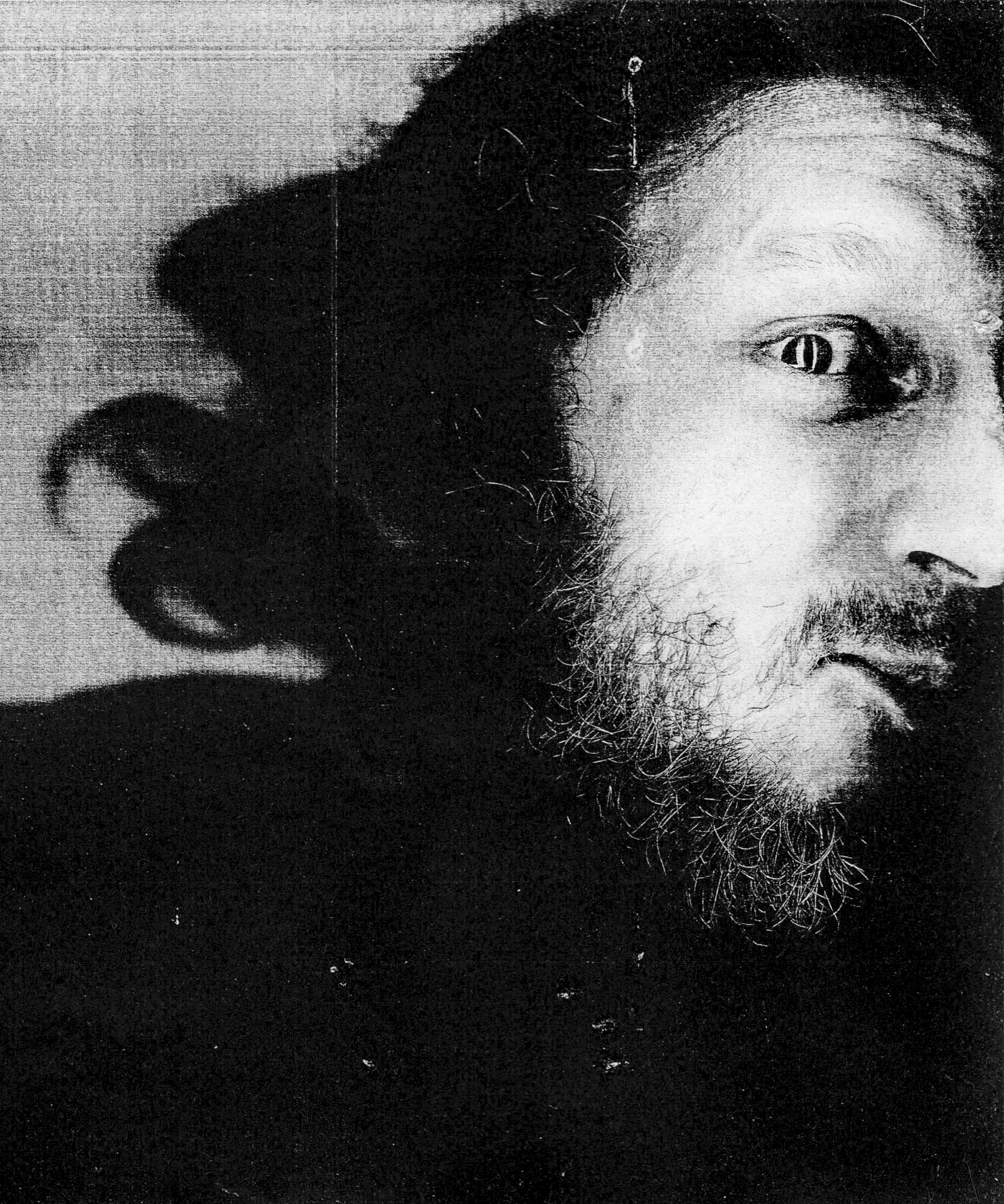
Jacek Machowski
a.k.a. macha or machawishnu
A graphic designer who combines traditional printing techniques with modern media to create unique works of art. His works are characterized by a refined approach to form and color, which makes them both aesthetic and emotional.
Perplexity

Obrazy ulotnego świata
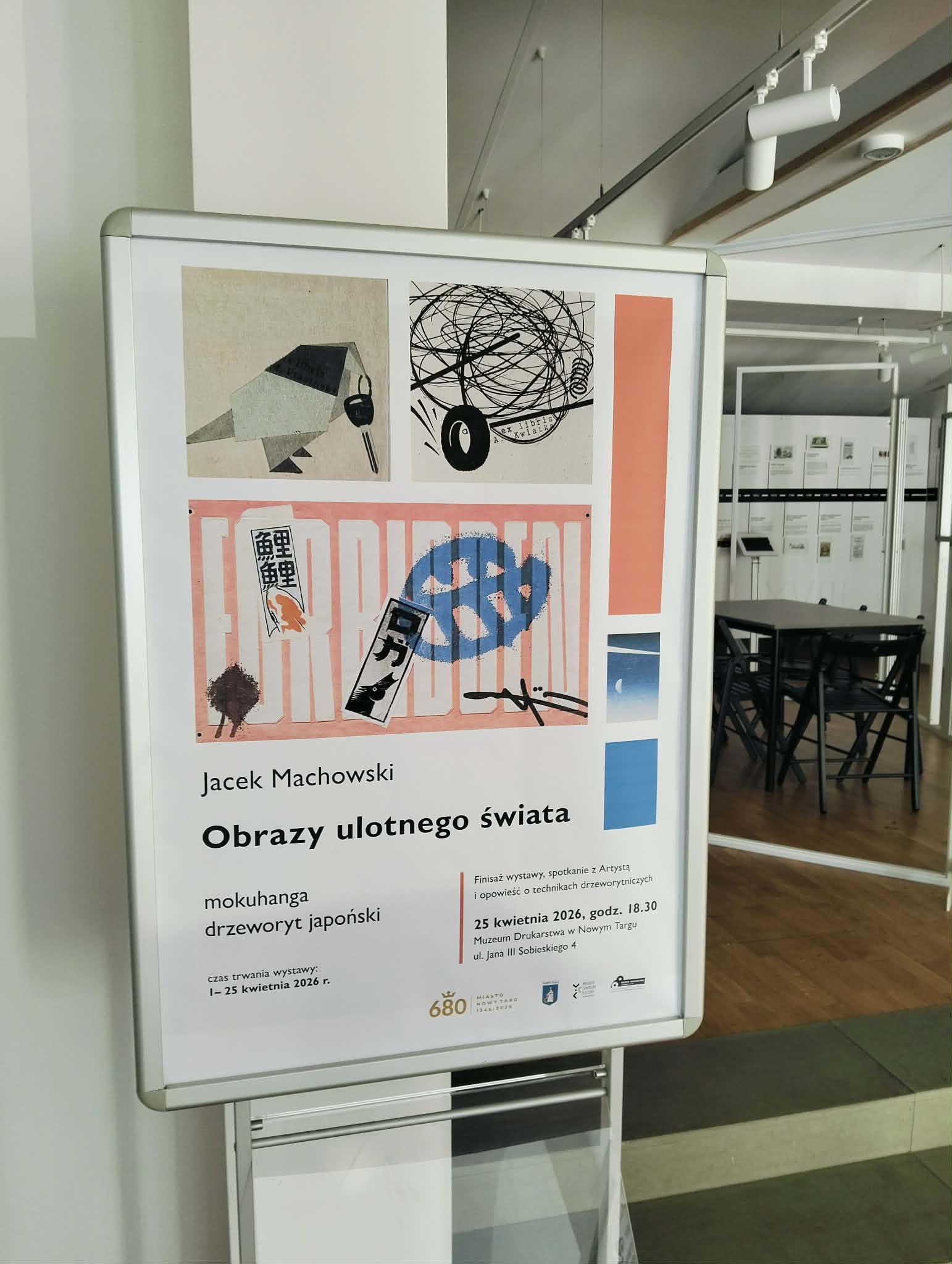
The exhibition presents graphic works created using the traditional Japanese woodblock printing technique mokuhanga (jap. 木版画), made on the margins of a years-long research project dedicated to adapting this technique to Polish conditions. Mokuhanga, based on water-based paints and hand printing with a tool called a baren, differs fundamentally from Western woodcut. The enduring inspiration remains the idea of ukiyo-e — a reflection on the transience of a world that passes before we can fully see it.
1–25.04.2026
Museum of Printing
in Nowy Targ
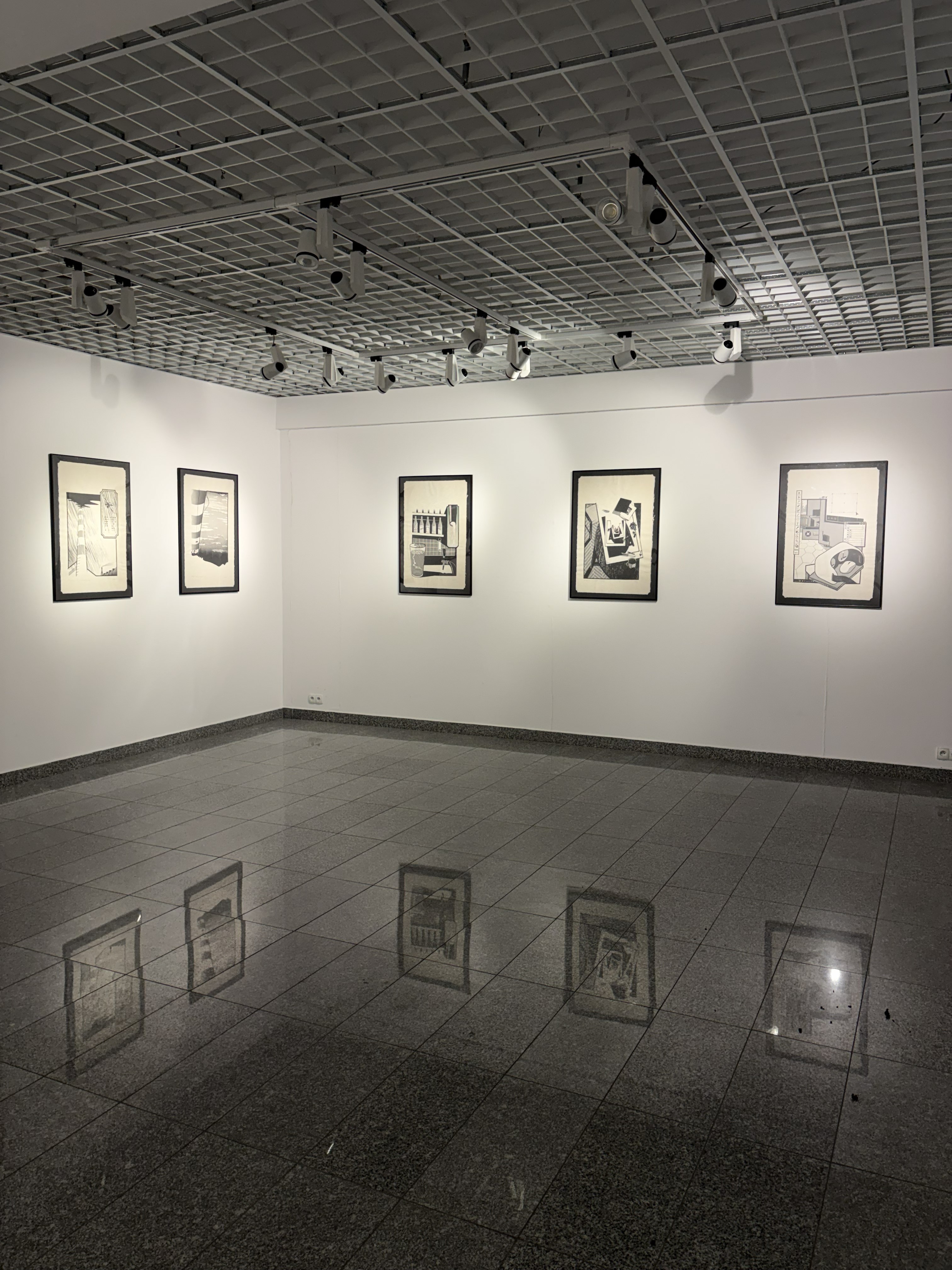
36 Views of the CHP
a cycle of art prints. Adaptation of the mokuhanga technique
The exhibition presents an adaptation of the traditional Japanese woodblock printing technique, mokuhanga, to Polish conditions. The central focus is the print cycle "36 Views of the CHP," inspired by Katsushika Hokusai's famous "36 Views of Mount Fuji," in which the Japanese landscape is replaced by a combined heat and power plant chimney as the dominant feature of the local scenery. This approach bridges Far Eastern artistic heritage with contemporary industrialism, highlighting the universality of form. The exhibition is a culmination of years of doctoral research. In the course of my studies, I analyzed various wood species, tools, water-based paints using nori paste, and embellishment techniques characteristic of mokuhanga. The result is both a set of original prints and a written study of the subject undertaken.
Searching for
the floating world
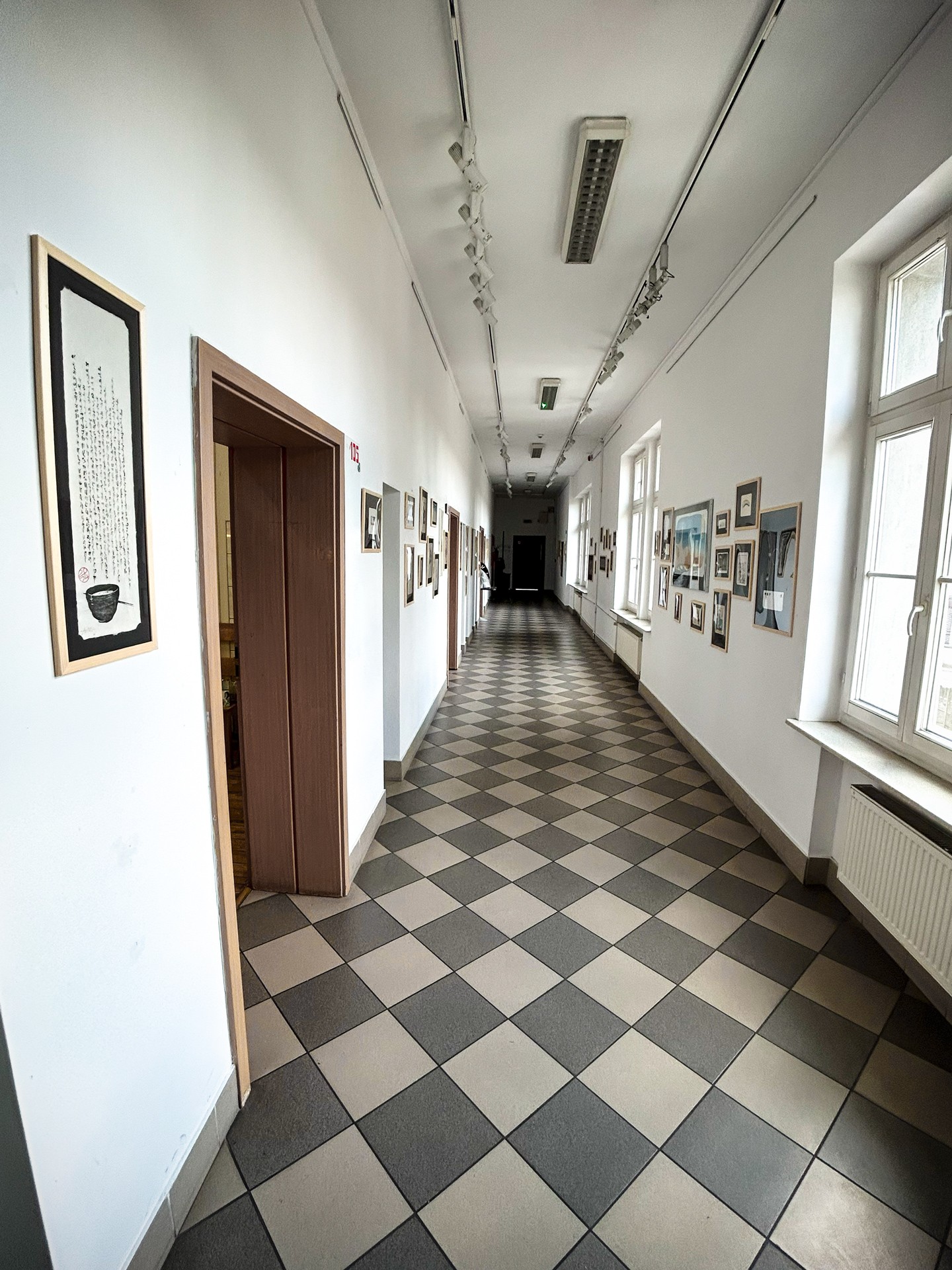
During the exhibition at the Academy of Fine Arts in Katowice, I presented works created using the mokuhanga technique. These prints were developed over many years of artistic exploration and experimentation with mokuhanga, including the use of kirazuri, ita-bokashi, and sumizuri. The exhibition was divided into two main sections: a selection of diverse pieces from the last five years, often combining traditional motifs with contemporary approaches, and a series of large-scale monochromatic prints entitled 36 Views of EC.
➥ about the exhibition
Mono no aware
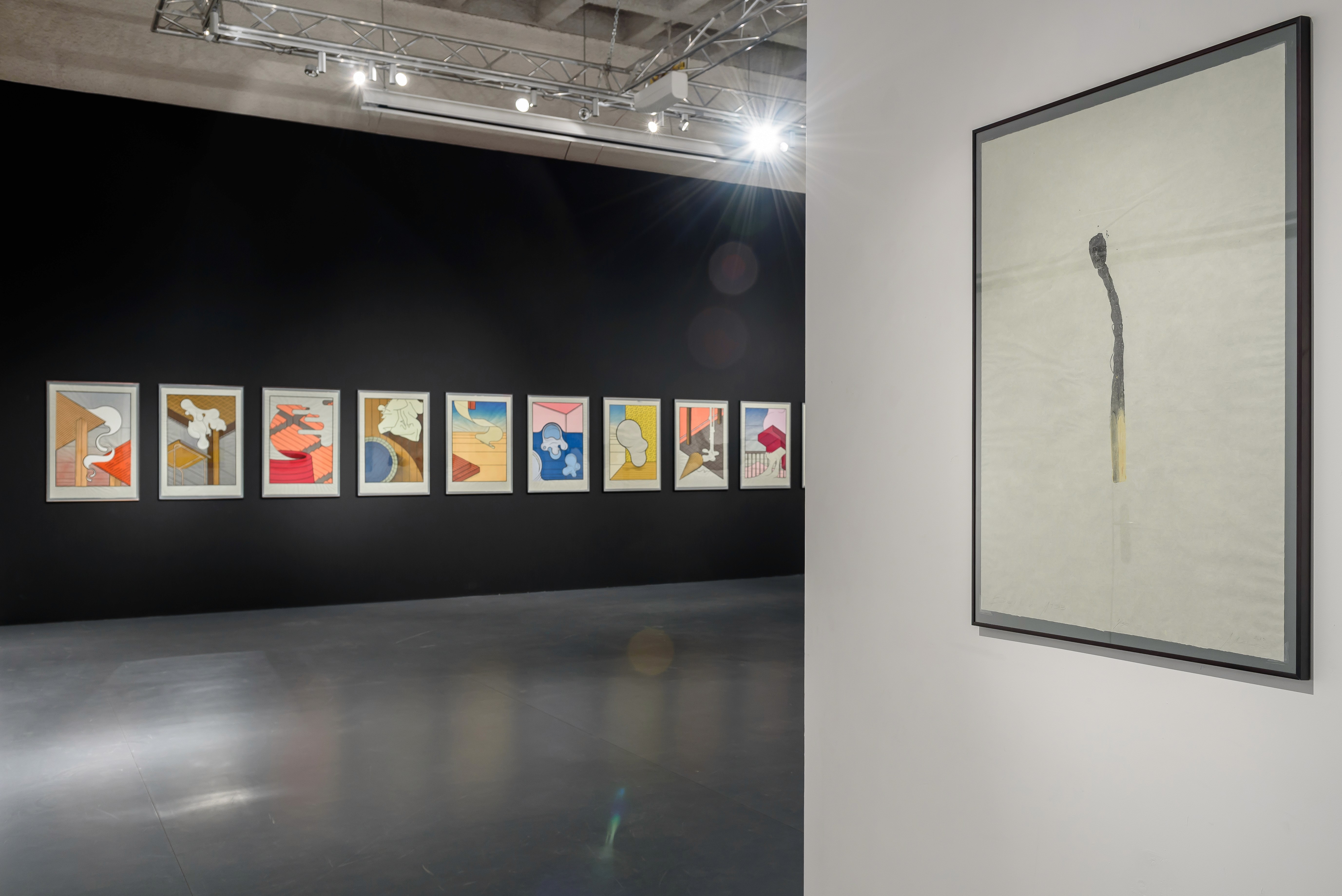
Individual exhibition at BWA in Tarnów created together with Paweł Bińczycki. The exhibition presented several cycles. Macha presented the cycles Norma and Norma 2.0 and the title Mono no aware. Paweł presented one cycle Transitional Forms. The artists also presented the cycle Wabi-sabi, for which all works will be created together. The patronage over the exhibition was assumed by the Embassy of Japan in Poland and TVP Kultura (national cultural television) and the Manggha Museum of Japanese Art and Technology
➥ about the exhibition
Demonstration of the mokuhanga technique
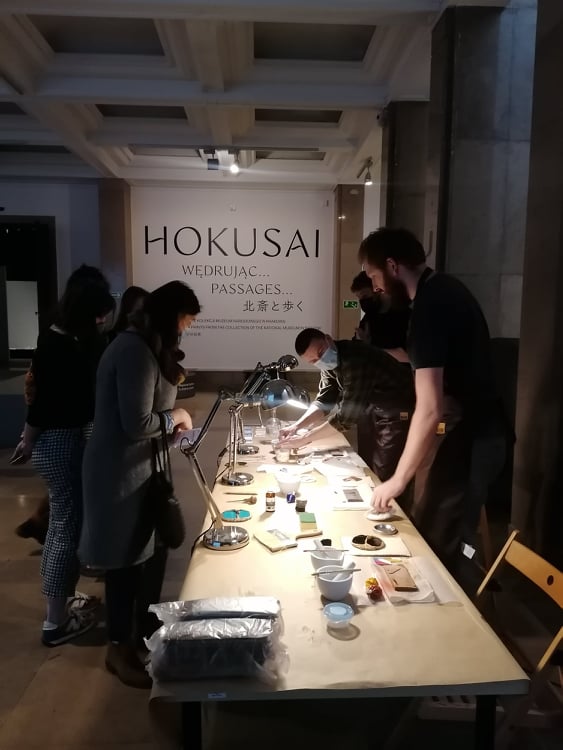
As part of the exhibition Hokusai. Wandering... I organized a demonstration of the mokuhanga printing technique. I have been dealing with the mokuhanga technique since 2019 as part of my doctoral thesis, although the first attempts at this technique date back to 2012.
This demonstration was to help visitors become aware of the technological process of creating woodblock prints in Japan. As part of this show, we distributed printed works to visitors.
➥ about printed works
Population
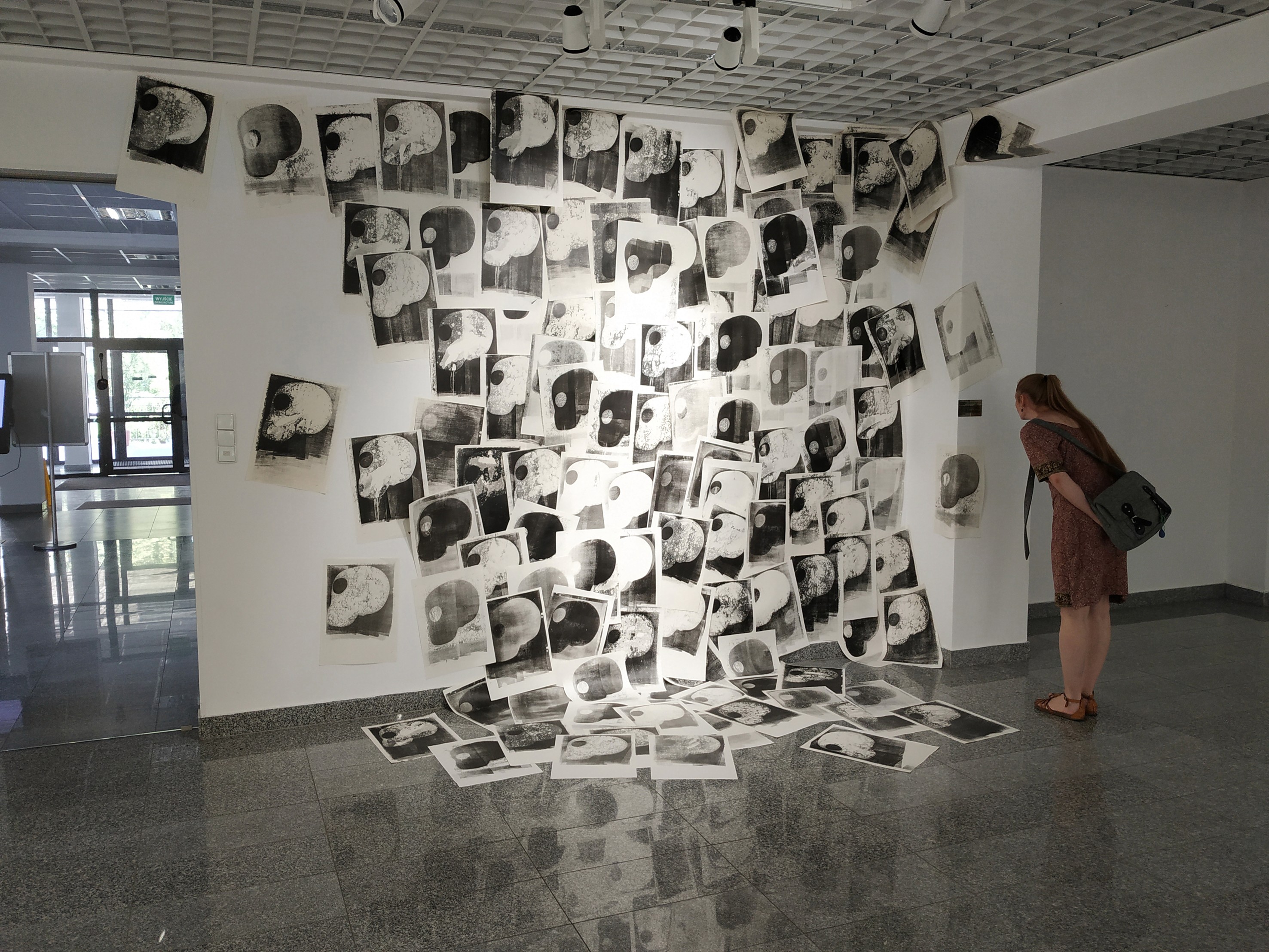
A series of works examining the subject of diversity in repeatability. All prints were made from a single matrix, but by using an original printing technique (membrane printing), each print has an independent character. In such a case, we are not talking about a population of prints, not a series.
The work was presented at the ISP Gallery named after Prof. Włodzimierz Kotkowski at the time of the beginning of Russia's attack on Ukraine.
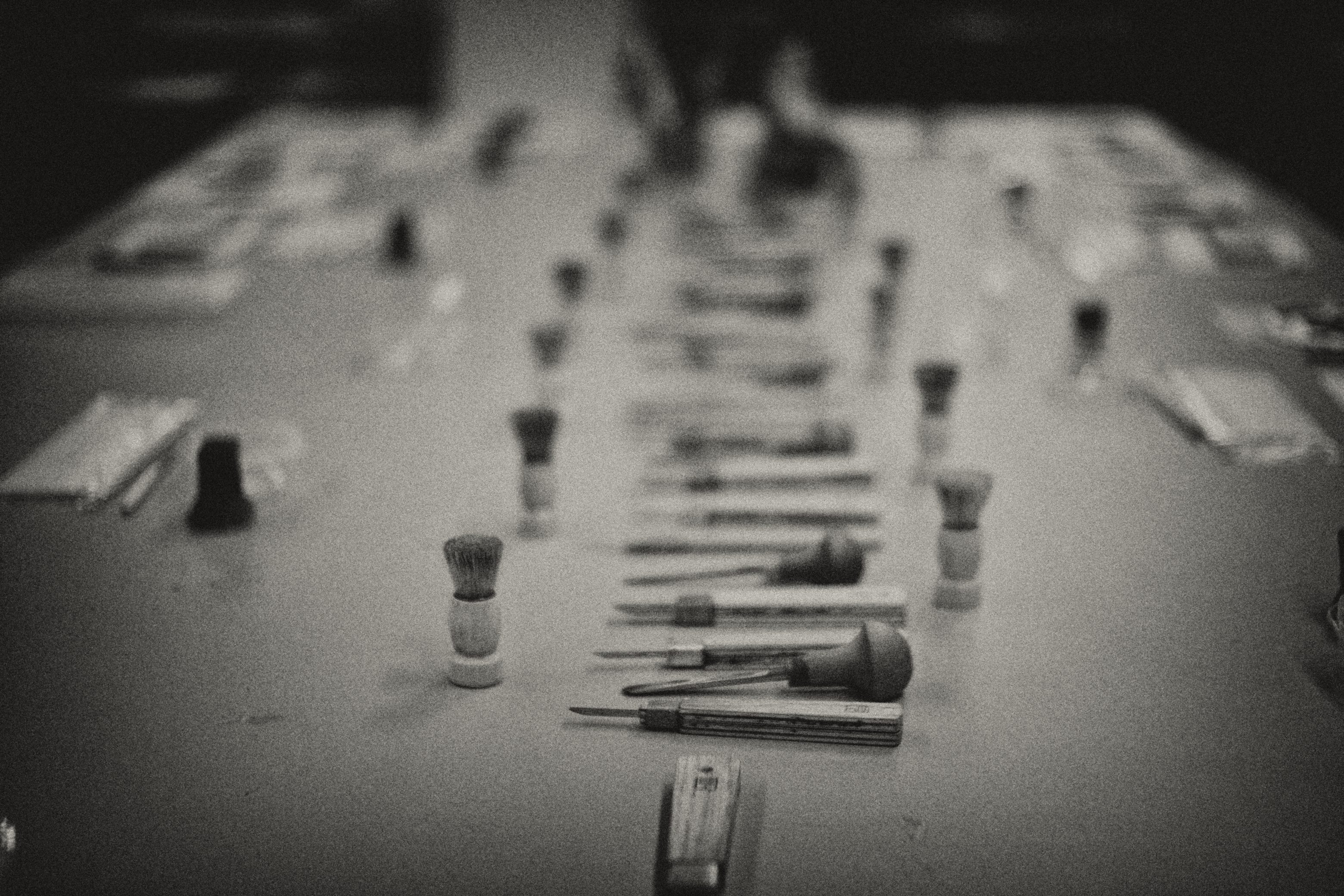
Workshops
I run workshops mainly in Polish, so I will probably use that language in this segment :
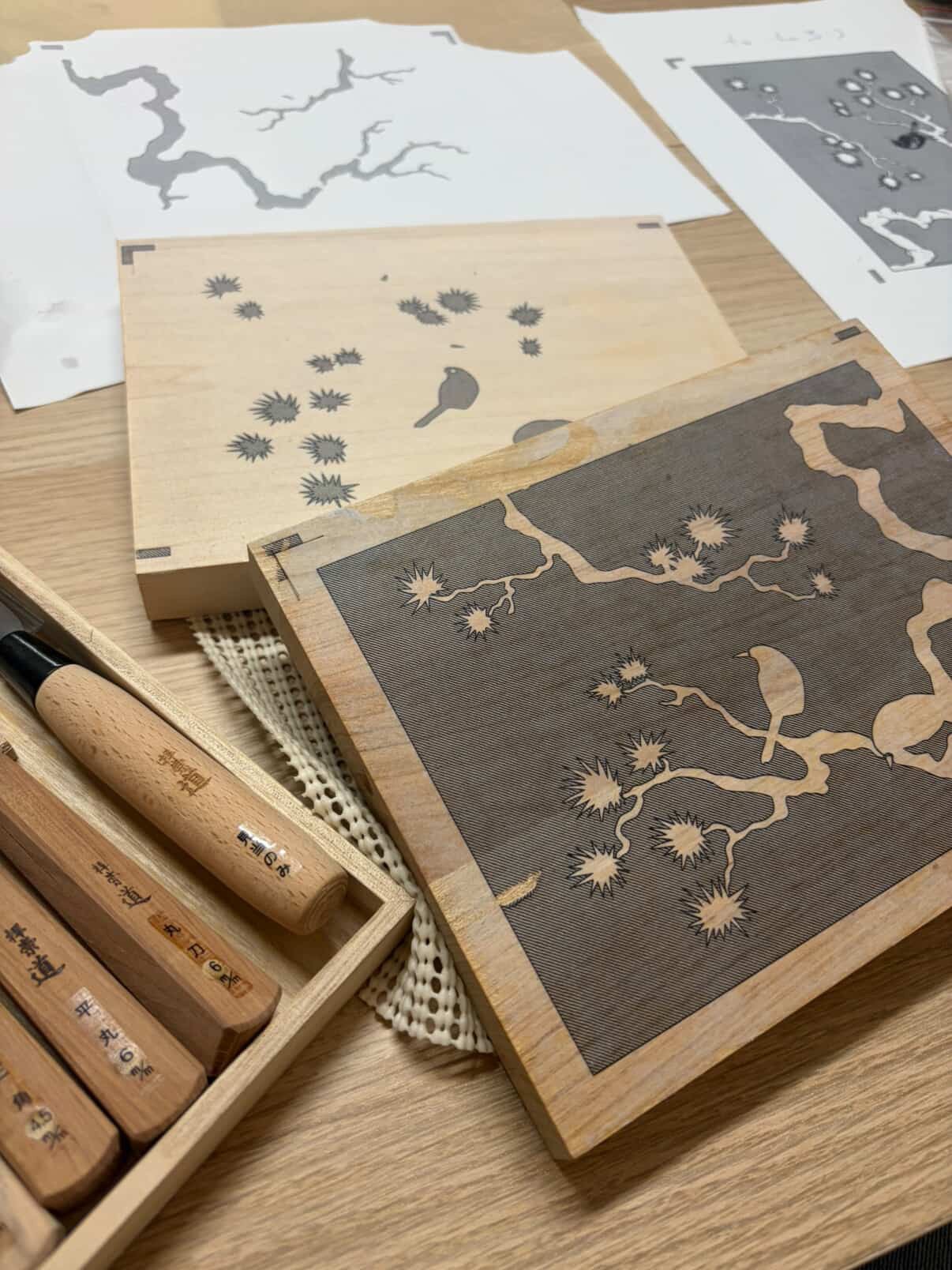
Kurs 5-cio miesięczny
w Krakowie
Rozbudowany kurs mokuhanga w odmianie wieloblokowej na własnych projektach (zdjęcie przedstawia pracę Anny Dulskiej) lub na gotowych projektach. Spotkania co miesiąc, część prac do wykonania w domu. Wykonywanie własnych narzędzi i ich konserwacja. Część narzędzi pożyczam kursantom na czas trwania kursu. Koszt uczestnictwa 2000 pln. Plan kursu:
8 luty 2026 – tworzenie w odmianie redukcyjnej (zaznajomienie się z mokuhanga), zasady tworzenie projektów, rozpoczęcie projektowania pracy wieloblokowej;
29 marzec 2026 – przenoszenie projektu na bloki, rozpoczęcie wycinania, stworzenie własnego noża hangi-to do mokuhanga, podstawy ostrzenia narzędzi;
12 kwiecień 2026 – dłutowanie bloków, tworzenie własnych prostych docisków drukarskich baren;
31 maj 2026 – przygotowanie papieru washi (zaklejanie dosa), przerabianie dostępnych pędzli i szczotek do druku mokuhanga;
28 czerwiec 2026 – druk nakładu
Warsztaty drzeworytu japońskiego mokuhanga 木版画
Na warsztatach uczestnicy poznają podstawy tej techniki i wykonają własne prace metodą redukcyjną, czyli z wykorzystaniem matrycy traconej – jednego bloku, z którego etapami usuwa się kolejne warstwy. Każdy uczestnik stworzy własną matrycę oraz wykona około 8 odbitek (grafik) na zadany temat. To idealna okazja, by poznać tę unikatową technikę od podstaw – nie jest wymagana żadna wcześniejsza wiedza ani doświadczenie.
Warszawa 27.09.2025
➥ zapisy na warsztaty
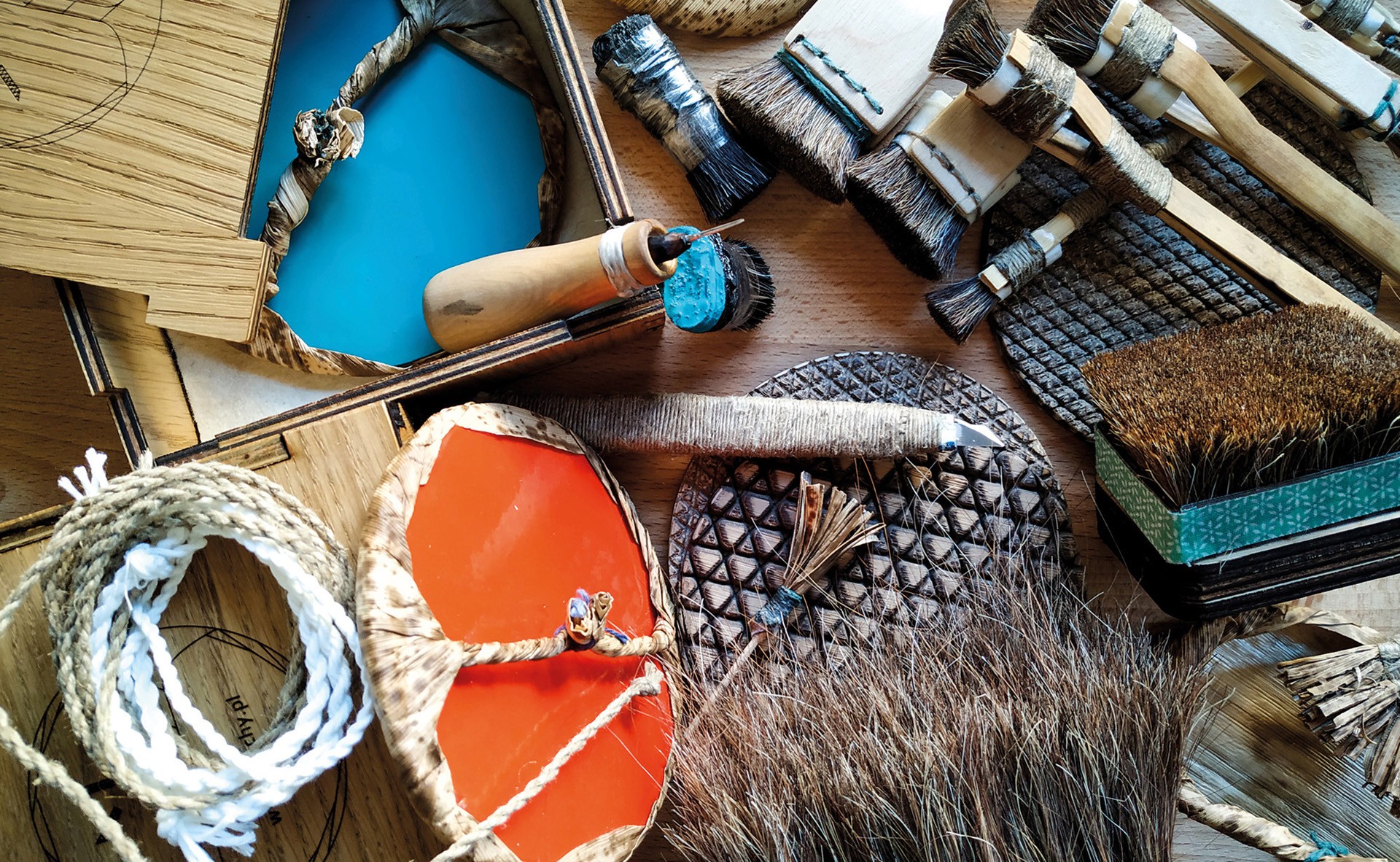
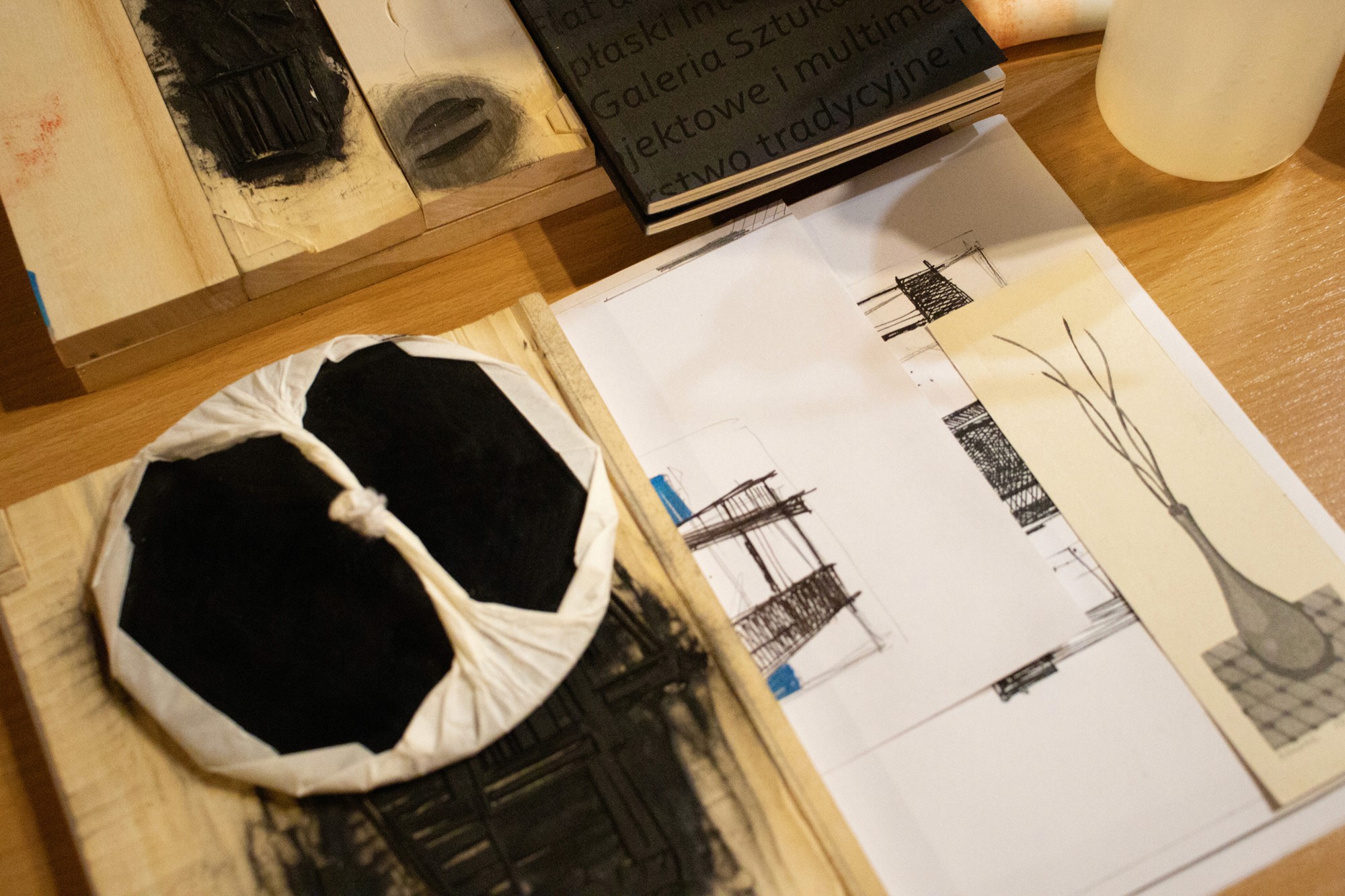
Warsztaty dla koła graficznego UKEN
Warsztaty dla grupy studentów grafiki na Uniwersytecie Komisji Edukacji Narodowej w Krakowie (UKEN). Warsztaty z techniki mokuhanga na poziomie podstawowym.
Warsztaty narzędziowe dla studentów WSP UR
Warsztaty dla grupy studentów grafiki na mojej macierzystej uczelni – Wydział Sztuk Pięknych Uniwersytetu Rzeszowskiego. Warsztaty mają na celu umożliwienie samodzielne eksperymentowanie w technice mohuhana minimalnym kosztem.
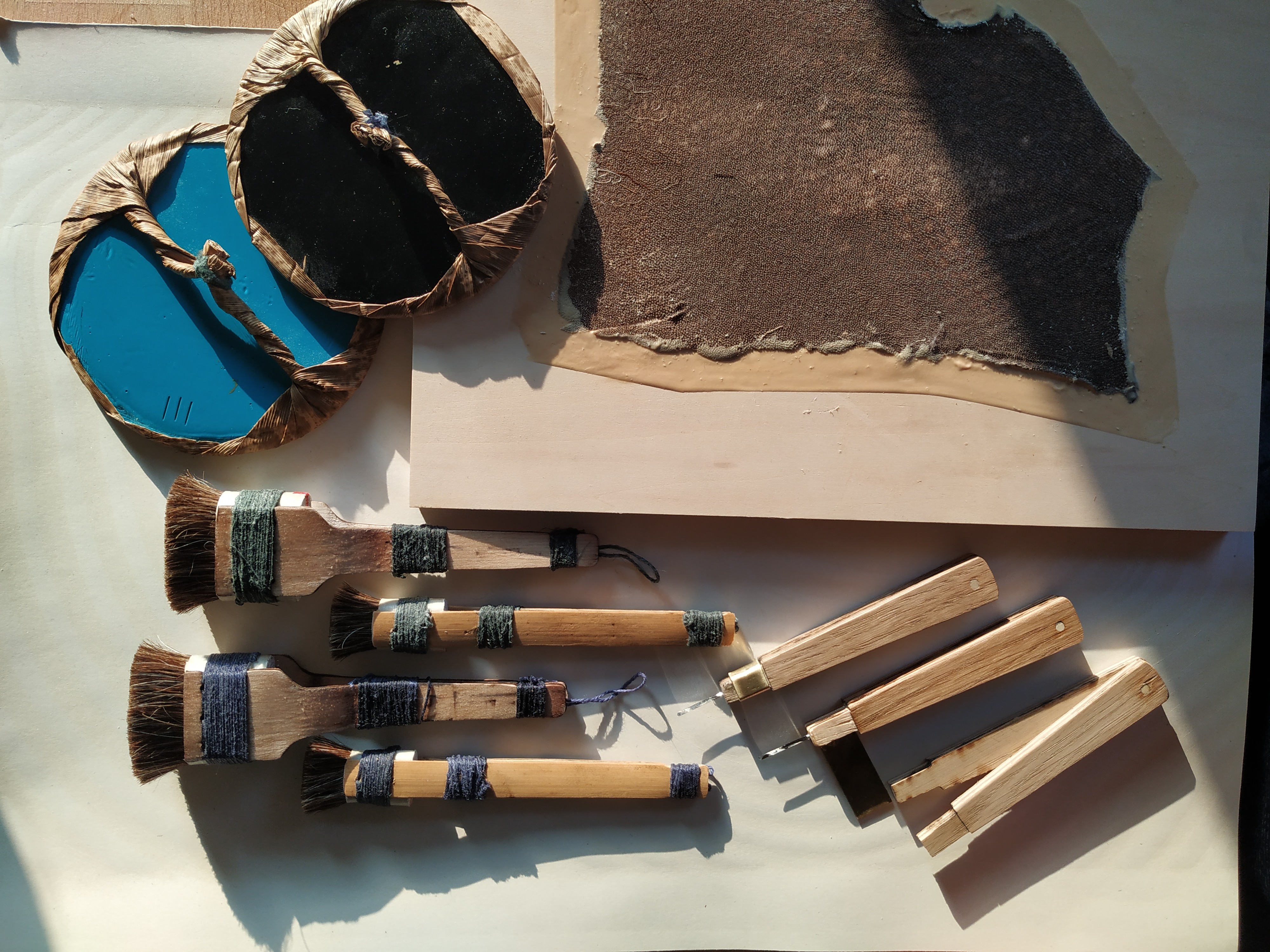
Warsztaty obejmują samodzielnie tworzenie: prostych docisków drukarskich (baren), szczotek do rozcierania farby (surikomi hake). Ostrzenie i proste sposoby przerabiania dłut i noży: prostych (kentonomi), byczych nosów (aisuki), żłobaków U i V, noży (hangi-to).
About me
Born in 1983 in Rzeszów. Studies at the Faculty of Art of the University of Rzeszów. Bachelor's degree in 2012 in the field of graphics. Master's diploma in 2015 in workshop graphics - intaglio printing, under the supervision of Dr. Paweł Bińczycki and Dr. Marcin Jachym. In 2017 he obtained the qualification to teach in art schools, at the Center for Education of Art School Teachers in Warsaw. In the years 2016-2019 he taught at the Complex of Art Schools in Tarnów, 2019-2022 at the Complex of State Art Schools in Krakow. He received the title of tenured teacher in 2022. In 2019 he began studying at the Doctoral School of the University of Rzeszów, field: Fine arts and conservation of works of art. As part of his doctorate, he deals with Japanese woodcut (mokuhanga) and its adaptation. 2015 - 2022 he taught classes at the Institute of Fine Arts, University of Rzeszów as part of commissioned hours. Since 2022 he has been working as an assistant at the Institute of Fine Arts, College of Humanities, University of Rzeszów, where he teaches intaglio printing techniques and interactive media. Organizer and leader of Japanese woodcut workshops. His works have been presented at over 100 exhibitions, he has received 6 awards and 6 distinctions.